VN
VN
 EN
EN
09/07/2026, 11:15
Investment
State-owned enterprise divestment: A new wave for Vietnam’s stock market
A series of new mechanisms is paving the way for a large-scale wave of state-owned enterprise (SOE) divestments, raising expectations of a new “wave” of stocks on Vietnam’s equity market.
New policies open a new divestment cycle
2026 marks the implementation of multiple new reform orientations, including the launch of a broader, deeper and more market-oriented cycle of state capital restructuring. If the 2016–2018 period triggered a strong wave of equitization and divestment, the 2026–2030 cycle is expected to represent a transition from administrative management of state capital to a more investment-oriented model of state capital governance.

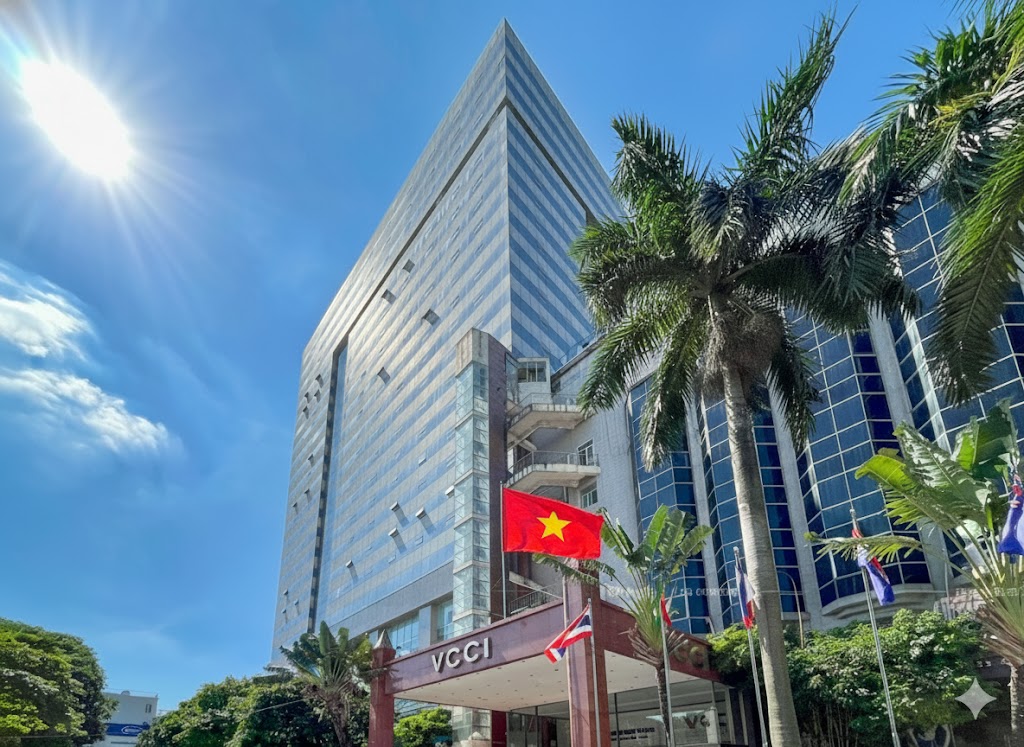
Equitization of state-owned enterprises is one of the three pillars of Vietnam’s economic restructuring process – Illustrative photo
If the Government accelerates state capital restructuring, the market could witness notable divestment deals in many leading enterprises – Illustrative photo
From a market perspective, many experts believe this cycle could recreate the dynamism seen during 2016–2018, when major divestment deals attracted significant domestic and foreign capital inflows. However, the biggest difference lies in the “new policy space,” designed to promote efficient capital allocation rather than focusing solely on state budget revenue generation.
In particular, Resolution 79-NQ/TW together with Decree 366/2025/ND-CP are viewed as two foundational pillars for the SOE development strategy in the new phase. Previously, the primary objective was to reduce the State’s presence in sectors deemed non-essential. Now, the focus has shifted toward restructuring investment portfolios and concentrating resources on enterprises and industries that play a leading role in the economy.
According to Mr. Tran Duc Anh, Director of Macroeconomics and Market Strategy at KBSV Securities, the core value of Resolution 79 lies not only in its strategic orientation, but also in directly removing legal bottlenecks that have constrained SOE efficiency for years. One major reform is the mechanism allowing enterprises to retain profits for reinvestment instead of remitting them to the state budget and later applying for reallocation through a multi-layered process. This mechanism gives strategic conglomerates greater autonomy to expand investment, increase capacity and improve competitiveness.
At the same time, the divestment and equitization strategy aims to reduce state ownership below 50% in enterprises outside strategic sectors. Combined with the Securities Law’s new requirements on minimum public float ratios, pressure for divestment is expected to rise significantly at companies where state ownership remains excessively high, such as PV Gas, Vietnam Rubber Group or Airports Corporation of Vietnam.
Historical precedent shows that major divestment deals such as Sabeco and Vinamilk during 2017–2018 generated strong stock rallies, driven by expectations of improved corporate governance, asset optimization and more efficient capital allocation following greater private sector participation.
Within this broader picture, state-owned commercial banks are viewed as the most direct beneficiaries. During 2024–2025, the “Big 4” banks clearly faced limitations due to low capital adequacy ratios (CAR), which significantly constrained credit growth compared to private-sector banks with stronger CAR levels such as Techcombank, VPBank and TPBank. Tight credit growth ceilings effectively capped profit expansion even as demand for capital in the economy continued to rise.
In practice, Resolution 79 creates a mechanism to “unlock” this issue through two main approaches: allowing banks to retain profits instead of paying cash dividends in order to increase charter capital, and accelerating strategic divestment plans such as BIDV’s proposed private placement. Once CAR improves, lending capacity could expand significantly, potentially leading to a sharp jump in profits in fiscal year 2026. This could also become a key factor prompting the market to reassess the long-term growth outlook of state-owned banks, rather than viewing them merely as defensive and stable stocks.
SOEs face a re-rating opportunity
As Vietnam’s stock market becomes increasingly integrated with global capital markets and moves toward higher standards following a potential market upgrade, the goal is no longer simply to increase the number of listed companies. More importantly, policymakers are seeking to improve the quality of market listings, enhance liquidity and increase free float ratios to meet the allocation requirements of foreign institutional investors.

Upgrading Vietnam’s stock market to emerging market status would not merely create a short-term liquidity boost, but could fundamentally reshape capital flows and attract long-term foreign investment.
As a result, SOE equitization and divestment are now tied not only to restructuring the state economic sector, but also to deepening Vietnam’s stock market and attracting international capital flows.
Rating agencies such as FTSE Russell and MSCI evaluate not only market capitalization, but also the practical accessibility of the market for foreign investors. Factors such as liquidity, free float ratios, foreign ownership limits, transparency and corporate governance standards all play a major role in the market upgrade process.
Mr. Nguyen Manh Dung, Director of Market Strategy Research at HSC Securities, said that both domestic and foreign investors generally focus on three key factors when evaluating an asset.
The first is the quality of the enterprise and its underlying assets. According to Mr. Dung, most SOEs possess strong asset foundations, long operating histories and important roles across key sectors of the economy, making them highly attractive investment targets.
The second factor is profitability, meaning valuation levels must appropriately reflect growth potential and future returns.
The third factor, which foreign investors care about particularly deeply, is legal risk management. Mr. Dung noted that if valuation procedures, reserve price determination and auction processes become more transparent and legally secure, the attractiveness of Vietnamese SOEs to foreign investors could increase significantly.
“When all three factors — asset quality, profitability and the legal environment — improve in parallel, investment demand for Vietnamese state-owned enterprises could rise sharply in the coming period,” the HSC strategist said.
Regarding investment strategy, KBSV experts cautioned that after many SOE-related stocks have already risen more than 50%, the room for purely speculative gains is gradually narrowing. Divergence will likely become more apparent between enterprises capable of delivering real execution and those benefiting merely from expectations. As a result, the appropriate strategy is no longer crowd-driven momentum buying, but rather a “stock-picking” approach focused on companies with clear capital-raising plans, large exploitable land banks or credible divestment stories.
Author: DIEM NGOC - TRUONG DANG
RELATED TOPICS
RECOMMENDED TOPICS