VN
VN
 EN
EN
26/07/2026, 11:20
Investment
Will the FED shift policy in a more hawkish direction?
Mr. Kevin Warsh has taken over as Chair of the Federal Reserve. But the man ‘tasked’ with cutting rates by the president is probably going to have to shift policy in a more hawkish direction.
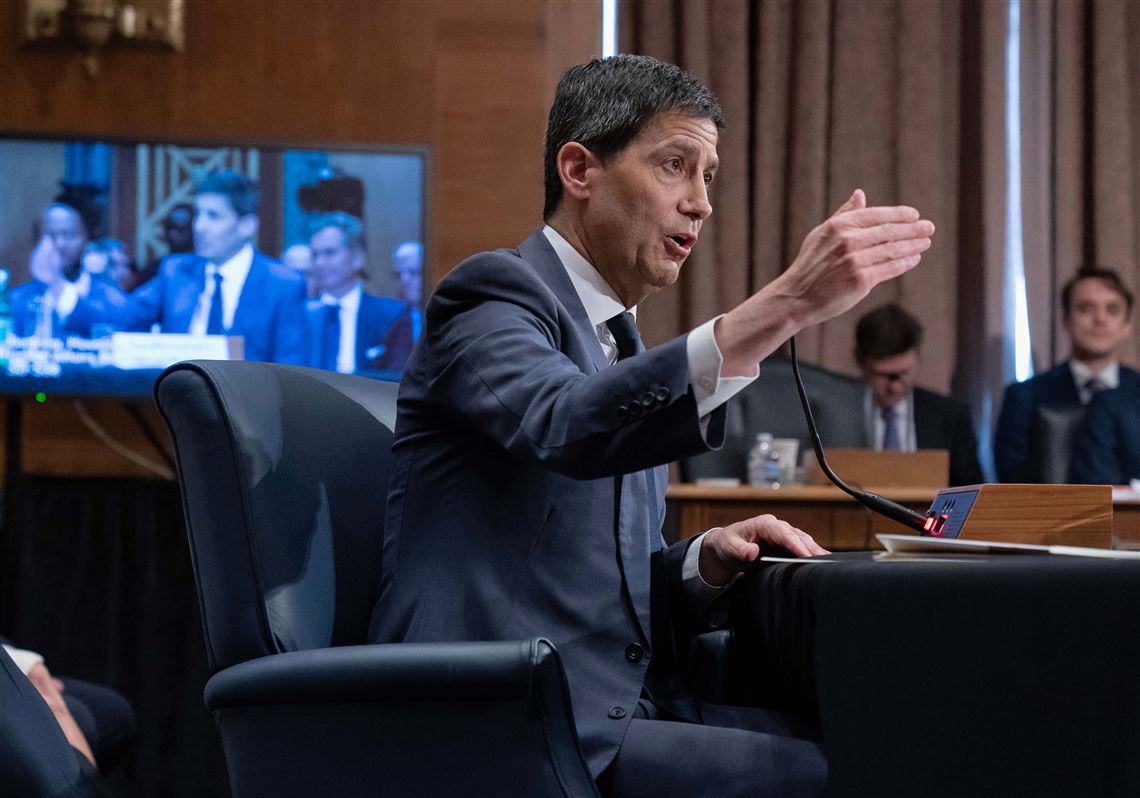
Mr. Kevin Warsh has taken over as Chair of the Federal Reserve.
The last FOMC meeting saw three regional Fed presidents’ dissent against the Fed’s statement on the basis that they did not want the statement to convey that the bank still had an easing bias. By the time of the next meeting, on June 17th, Steven Barrow, Head Strategist of the Standard Bank, suspects that this will be the majority view. In fact, he thinks that the Fed should hike rates but accept that this is not going to happen, at least not at this stage.
Incoming Fed Chair Warsh might not like the fact that the majority of FOMC members could want the statement to shift in a more hawkish direction, but the treasury market could implode if the Fed does not start to show more reverence to the surge in inflation. The rise might only prove “transitory”, to quote former Fed Chair Powell ahead of the dramatic inflation surge in 2021/22, but that call proved horribly wrong, and the Fed can’t afford to make the same mistake now.
The fact that treasury yields did not come down after inflation peaked in 2022 points to the fact that the ‘transitory’ mistake cost the Fed in terms of its credibility. The inflation has not returned to the 2% target, which is also likely to have weighed on credibility. Add to all of this spiraling government debt and the clear pressures on Fed independence from President Trump, and Steven Barrow fears that the bond market is sitting at a really dangerous juncture right now. And, if that’s not enough to have the treasury market bulls fretting, there is also the outside influence of surging JGB yields in Japan, as mentioned over the page. JGBs have long been attractive relative to treasuries on a currency-hedged basis, and it might not be too long before they are attractive on an unhedged basis as well.
In sum, Steven Barrow remains very much all-in on his call for 10-year treasury yields to scale 5% this year. Undoubtedly, there are some caveats. Firstly, yields could fall back should tankers quickly start moving through the Strait of Hormuz and oil prices tumble. But he doesn’t hold out much hope. For one thing, signs of a breakthrough in peace negotiations between the US and Iran do not seem great.
Secondly, even if a deal is agreed upon, the depletion of global oil supply that’s already been experienced, in addition to the rebuilding of oil facilities that will be required, could keep oil prices elevated for some time.
A third factor is that the conflict in Iran will probably have a number of adverse consequences for treasuries even if it ends tomorrow. Chief amongst these is the Administration’s push for a huge increase in defence spending – and hence the budget deficit. All told, we see continued treasury market weakness as a given, but weakness that could turn into a rout if the Fed refuses to see the writing on the wall and sticks with its easing bias.
It is not just the Fed that has to think hard about its anti-inflation credibility when the next FOMC meeting comes around. The Bank of England is in a similar position. Indeed, it might be even more at risk from an adverse gilt market response should it refuse to hike. That’s one reason why Steven Barrow still looks for a 25-bps base rate increase on June 18th.
Gilt market investors now have the added difficulty of trying to anticipate how the likely Labour Party leadership race will go. Many of those making the judgment will not lie in the UK. For as BoE member Mann pointed out in a speech last week, the make-up of gilt market holders has shifted. The good news is that it has shifted away from the leveraged buyers within the pensions sector that caused the huge sell-off in gilts during the infamous Liz Truss meltdown of September 2022.
However, overseas holders have been filling the gap, and it is possible that this just means that the gilt market has jumped out of the frying pan and into the fire when it comes to the possibility of wholesale ditching of gilts when things like political uncertainty develop. Whether this is the case or not, Steven Barrow still feels that the gilt market will keep up the pressure on the BoE to hike rates, and he still expects that the bank will respond.
Author: NGOC ANH
RECOMMENDED TOPICS