VN
VN
 EN
EN
26/07/2026, 02:38
Business economics
Vietnam maintains growth momentum amid global volatility
Rising oil prices are creating short-term pressure, but Vietnam’s economy continues to maintain stable growth and strong adaptability.
Since the escalation of conflict in the Middle East, global energy markets have recorded a significant surge, underscoring increasing sensitivity to geopolitical risks. Higher oil prices are adding inflationary pressure and have contributed to the U.S. Federal Reserve’s decision to hold interest rates steady. Market expectations point to a possible cooling of oil prices in the medium term, provided there is no widespread supply disruption. The U.S. Energy Information Administration projects that Brent crude could remain above $95 per barrel in the near term before falling below $80 in the third quarter of 2026 and stabilizing around $70 by year-end.
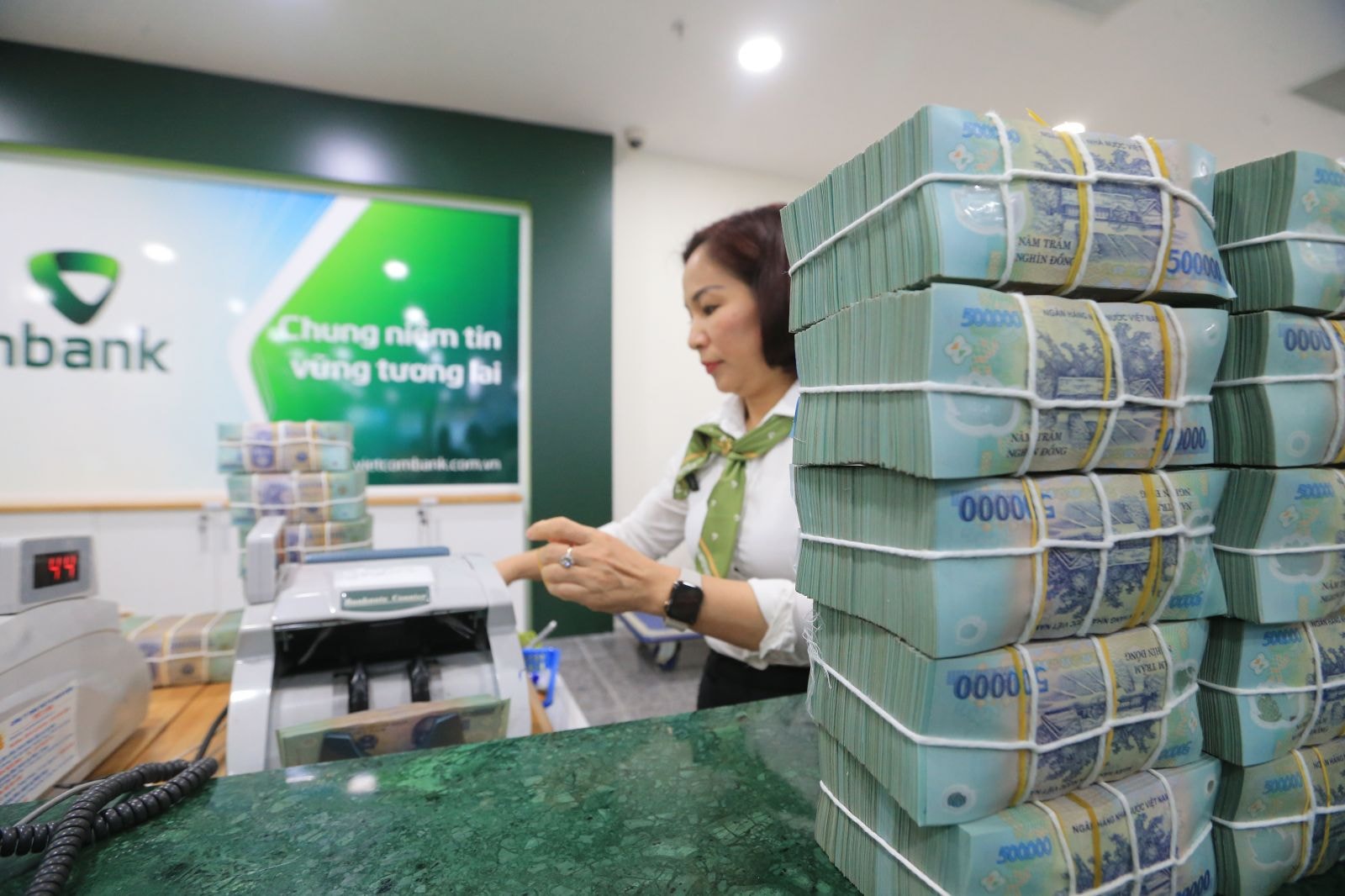
By the end of the third quarter of 2025, credit growth had outpaced deposit growth, widening the funding gap and increasing capital costs.
Overall, markets are forming a two-phase expectation: elevated prices in the short term driven by geopolitical tensions, followed by moderation if supply conditions remain stable. However, sustained high energy costs could still push global inflation higher. The International Monetary Fund estimates that if oil prices remain above $100 per barrel for a prolonged period, global inflation could rise by around two percentage points, reducing room for monetary easing.
In the United States, the Federal Reserve has adopted a cautious stance, maintaining current rates while closely monitoring inflation dynamics. Market data suggests a growing expectation of prolonged monetary tightening, with the probability of a rate hike by late 2026 rising to around 52%. Analysts at Mirae Asset note that persistently high energy costs could further reinforce this cautious approach and limit the likelihood of near-term rate cuts.
For Vietnam, the oil price shock comes against a backdrop of existing internal pressures. By the end of the third quarter of 2025, credit growth had outpaced deposit growth, widening the funding gap and increasing capital costs. At the same time, the State Bank of Vietnam has maintained an accommodative stance, targeting credit growth of around 16% to support economic recovery.
Despite these pressures, interest rates remain broadly under control. Deposit and lending rates continue to stay within manageable ranges, with higher rates observed only in isolated cases tied to specific conditions. The overall system has not yet entered a high interest rate cycle, allowing policymakers to retain a degree of flexibility.
Experts suggest that rising oil prices may shift the risk profile of monetary policy toward greater caution. However, with macroeconomic fundamentals remaining stable and inflation still under control, Vietnam retains room for flexible policy adjustments. If oil prices moderate later in the year, inflationary and interest rate pressures are expected to remain contained, supporting overall macroeconomic stability.
Current volatility may also accelerate structural adjustments in the energy sector, encouraging greater efficiency and reducing reliance on imports, thereby strengthening resilience over the medium to long term.
Amid continued global uncertainty, Vietnam’s fiscal authorities are taking a more proactive role. External risks are being incorporated into growth and inflation scenarios, with policy priorities focused on controlling prices while supporting aggregate demand. As monetary policy space narrows, fiscal policy is becoming a more central tool in sustaining growth.
The government is accelerating efforts to mobilize external financing for development investment while maintaining strong momentum in public investment disbursement. At the same time, fiscal discipline is being reinforced through reductions in recurrent spending, improving efficiency and creating additional policy space.
Early data for 2026 reflects this balance. Economic growth remains robust, with first-quarter GDP estimated at 7.83%, supported by strong revenue performance and increased public investment spending. These trends suggest that, despite rising external risks, Vietnam continues to maintain a stable macroeconomic foundation.
As global uncertainties persist, particularly in energy markets and monetary policy, Vietnam’s flexible and targeted fiscal management is playing a critical role in preserving stability while positioning the economy for continued recovery and growth.
Author: DIEM NGOC - TRUONG DANG
RELATED TOPICS
RECOMMENDED TOPICS