VN
VN
 EN
EN
10/07/2026, 02:38
Business economics
Rising material costs put double pressure on real estate developers
Surging material prices are driving construction costs higher, putting pressure on businesses, delaying project timelines, and keeping property prices elevated.
.jpg)
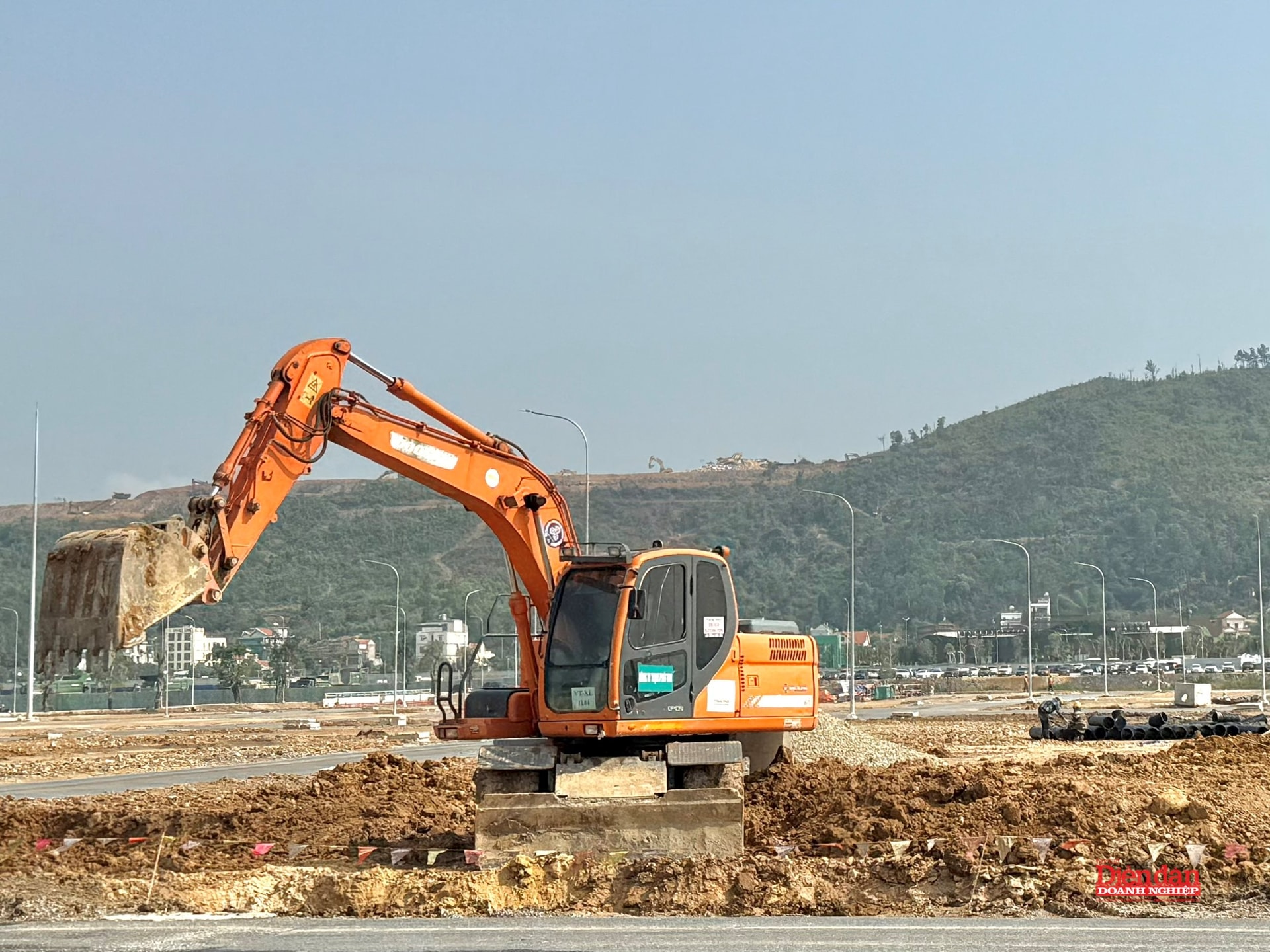
Volatile construction material costs are directly impacting the timelines of many real estate projects. Photo: VA
As housing prices in major urban areas remain high, volatility in construction material costs is becoming a significant bottleneck, directly affecting the progress and efficiency of real estate projects.
Escalating Material Costs
According to CBRE’s Q1 2026 report, the average primary price of apartments in inner Hanoi and surrounding areas reached approximately VND 102 million per square meter, up 29% year-on-year and exceeding Ho Chi Minh City (around VND 91 million per square meter).
This also marks the third consecutive quarter in which apartment prices in Hanoi have remained above the VND 100 million per square meter threshold, clearly reflecting how rising input costs are being passed through into final selling prices.
Data updated to March 2026 shows that many key construction materials have increased simultaneously: cement rose by more than 7%, steel by over 2%, and tiles by nearly 5%. Notably, basic materials such as sand, stone, and bricks surged sharply by 13.5% to 23.3%, pushing overall construction costs up by 1.91% to more than 8%.
According to the Ministry of Construction, price fluctuations are no longer localized but are spreading more broadly, driven by energy costs, logistics, and tighter resource extraction management. This has forced many developers to revise total investment budgets and, in some cases, delay project implementation to balance cash flows.
In particular, the shortage of construction sand—due to licensing restrictions and stricter extraction controls—along with tighter management of stone quarries, is increasing financial risks. Industry surveys show that nearly 90% of enterprises identify material price volatility as their biggest current challenge, surpassing even interest rate pressures and market liquidity concerns.
In response, many localities have introduced measures to control prices and supply, including publishing more accurate construction price indices, strengthening inspections of extraction activities, curbing speculation, and accelerating licensing for qualified mines.
From a regulatory perspective, the General Statistics Office recommends closely monitoring construction material prices, as this group has a significant spillover effect on the producer price index and inflation, thereby impacting the broader economy.
Only by resolving the issue of stable material supply can a more sustainable pricing foundation for the housing market be established.
A representative of the Ministry of Construction emphasized that fundamental solutions lie not only in price control but also in better planning of material supply, accelerating licensing for eligible mines, and promoting the use of alternative and environmentally friendly materials. At the same time, developers need to proactively update price indices and apply price adjustment mechanisms in construction contracts to mitigate risks from fluctuating input costs.
Need for Long-term Mechanisms
From a business perspective, Mr. Nguyễn Quốc Hiệp, Chairman of the Vietnam Association of Construction Contractors, noted that material price volatility not only increases direct costs but also creates legal risks for lump-sum contracts. Therefore, it is necessary to improve price adjustment mechanisms and risk-sharing frameworks between investors and contractors to avoid disruptions in construction chains.
Meanwhile, a representative of Hòa Phát previously stated that domestic steel prices are heavily influenced by global input fluctuations such as iron ore, coking coal, and transportation costs. This underscores how Vietnam’s construction materials market is increasingly integrated into global supply chains, requiring more flexible and long-term approaches to price management.
Experts also suggest that Vietnam should consider establishing more effective regulatory mechanisms for essential materials, even exploring strategic stockpile models for key inputs such as sand, stone, and steel. At the same time, simplifying licensing procedures for extraction alongside strict environmental controls, and promoting a circular economy (material recycling and the use of substitutes), would provide a more sustainable path forward.
In the long term, only by ensuring a stable and transparent supply of materials can the real estate market reduce cost pressures and build a foundation for more sustainable price development.
Author: MAN NHI - TRUONG DANG (translates)
RELATED TOPICS
RECOMMENDED TOPICS