VN
VN
 EN
EN
09/07/2026, 11:15
Investment
What vulnerability for the US dollar?
The vulnerability for the US dollar in US tariffs does not lie in issues such as their scope, economic harm, or even their legality. Instead, the vulnerability lies in the fact that they are being used as a substitute for effective budget deficit reduction.
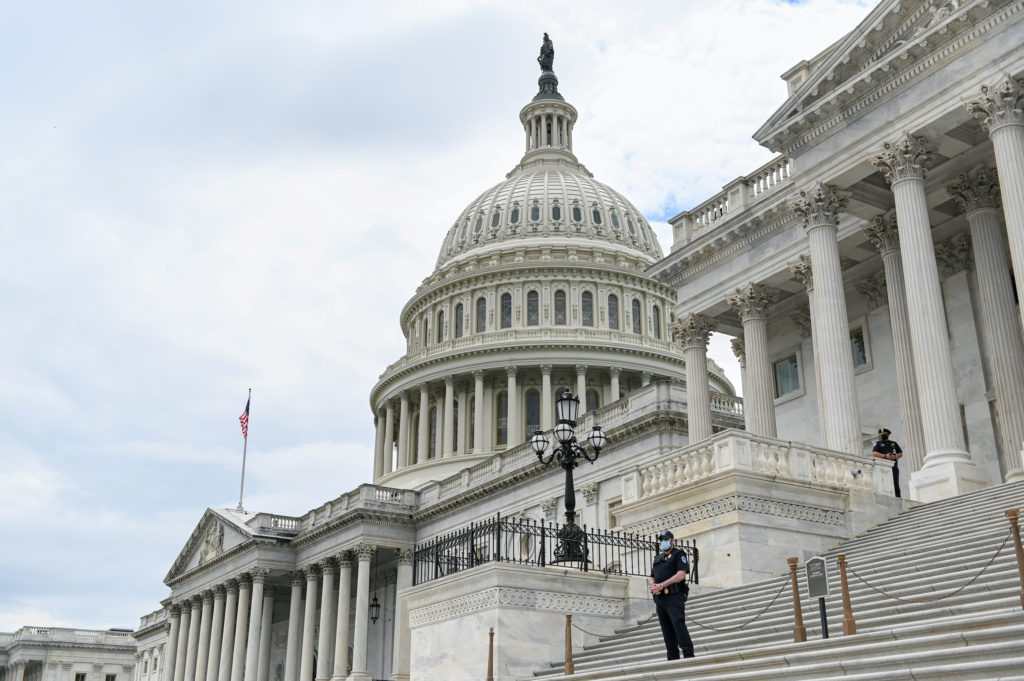
The US budget deficit is forecast to remain in the region of 6% of GDP which is huge when you consider that the country is not in recession
No sooner had the US Supreme Court struck down the majority of the Administration's tariffs under the International Emergency Economic Powers Act (IEEPA), than the US President declared that there is an emergency because of the huge US trade deficit and announced new tariffs using section 122 powers. He is right.
The US does have a big deficit; but the problem is the budget deficit not the trade deficit and, unlike the latter, the President and Congress clearly have significant control over the budget. The deficit is forecast to remain in the region of 6% of GDP, which is huge when you consider that the country is not in recession. In contrast, the current account deficit is running at around half of this level and is not especially large in historic terms.
In decades past, we might have thought that a big current account deficit was the main danger to the US dollar. That view would have been based on the contention that trade flows have a discernible effect on the value of the US dollar. But that's never really been the case; flows through the FX market have always overwhelmed any trade flows and, the more that time has moved on, the more these capital flows have mushroomed and the less significant trade-related flows have become as a determinant of the dollar.
The budget deficit, on the other hand, seems to be a far more significant factor influencing sentiment towards the US dollar. That's largely because of the debasement trade; the notion that government debt has become so large that it creates the risk of fiscal dominance, with the Fed subjugating its inflation and employment objectives to ensure that rates stay low in order to make deficit funding more comfortable for the government.
The fact that President Trump has been pressurising the Fed to lower rates in order to reduce the USD 1 trillion-plus the government pays out in debt interest only feeds this debasement fear. Tariffs come into this equation because they raise revenue. This might be considered good fiscal management and good for the dollar. But Steven Barrow, Head of Standard Bank G10 Strategy said there would be two problems.
The first is that tariffs are a very poor substitute for the real deficit-reduction strategy that the US needs. For it seems that the Administration and Congress will use anything they can to avoid tough budget choices on reigning in bloated spending or lifting taxes. Tariffs are taxes, of course, but the Administration falsely claims that these are paid by foreign firms, not domestic consumers. The Administration also avoids hard choices on the deficit by claiming that supercharging growth will get the country out of a budget hole (which it never does). It is also applying pressure on the Fed to lower rates and so reduce debt interest payments.
In short, taxes on foreigners, supercharging growth, and pressing the Fed to cut rates are all inadequate substitutes for proper deficit reduction, and Steven Barrow suspects that the FX and bond market can see that. Even when it comes funding the deficit the Administration's tactics are questionable. Attacking creditors with tariffs and other threats might not be the best way to go about encouraging adequate financing, while increasingly relying on stablecoin-related funding may also be another blind alley, which is why most other countries prefer the central bank digital currency route to stablecoins.
If the US dollar falls now, it could be interpreted as a sign that the Administration's determination to generate huge tariff revenues is symptomatic of its determination to avoid other, harsher, deficit-reduction measures. Something that just serves to elevate debasement concerns even more and jeopardise the US dollar into the bargain.
Author: NGOC ANH
RECOMMENDED TOPICS