VN
VN
 EN
EN
25/07/2026, 02:38
Investment
Approaching the issue of US dollar weakness with caution
US dollar weakness could open up scope for rate cuts; not least from the ECB. However, we need to bear in mind that the US dollar is not just falling.
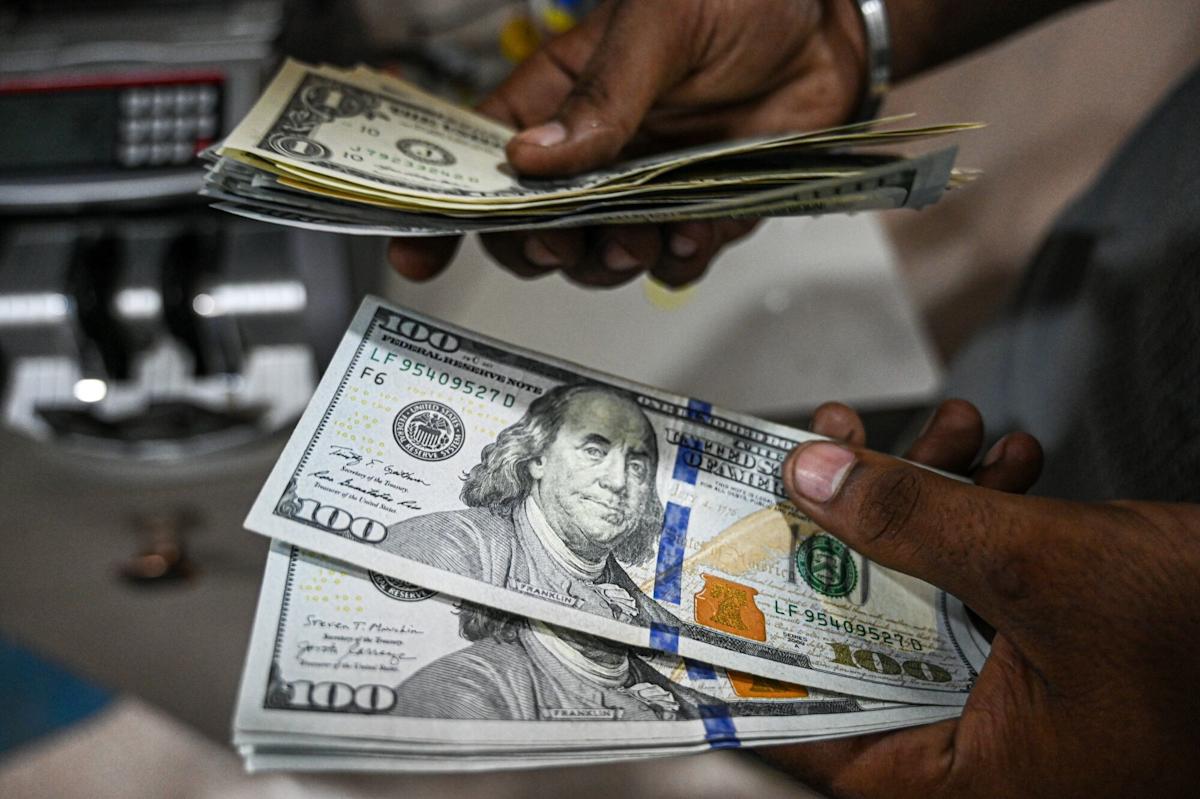
US dollar weakness could open up scope for rate cuts; not least from the ECB.
US tariff policy means that the US is withdrawing from global trade, while geopolitical factors may also reduce the US dollar's significance on the global financial stage. This should make policymakers approach the issue of US dollar weakness with caution when it comes to the disinflationary effects.
A number of central banks may look at the substantial rise in the value of their currencies against the US dollar and conclude that this presents a disinflationary threat that requires a policy response. A number of ECB members have pointed to the euro's sharp rise against the US dollar—some 14% over the past year—as a possible spur to lower policy rates. With the US dollar weak against most currencies, it seems likely that others could be having similar thoughts. But is currency-based disinflationary pressure a real risk?
Steven Barrow, Head of Standard Bank G10 Strategy, is not so sure. The first point, which is quite obvious, is that the relevant metric in any discussion of the currency/inflation linkage is the effective exchange rate, not the rate against the US dollar. Doing this brings the euro's rise over the past year down to around 7% if we use the ECB's 41-country effective exchange rate index.
In short, the euro has not been particularly strong; much of its rise in trade-weighted terms comes from the US dollar's weakness. But 7% is still a decent amount, enough to bring inflation down by a couple of tenths this year if it were to persist. But there is also a second point as well, which is that, even within effective exchange rate measures, the influence of the US dollar may be less than stated.
For if, as we know, the US is putting tariffs on other countries, and some reciprocate, that essentially reflects a withdrawal of the US from global trade. It is not just the tariffs but also pressure on US companies to reshore in order to reduce reliance on global supply chains.
The US Administration also wants foreign firms to produce more in the US and has forced investment commitments out of many foreign governments in order to bolster US production at the expense of US imports. Such a withdrawal suggests that the US dollar's position as a trade invoicing currency, which stands at just over 40% of global trade, the same as the euro, could decline.
Indeed, it could decline further if countries decide to conduct trade transactions through other currencies, notably the renminbi, as China pushes hard to bolster the international status of its currency. There could also be a financial counterpart to this should the US's trade withdrawal preempt a decline of the dollar's use in financial transactions such as international lending and bond issuance. Indeed, there have already been signs of this for some.
However, the increase in the use of international euro financing or yen financing compared to US dollar funding might also reflect the fact that US policy rates and yields have been high relative to others. If US rates fall relative to others, we may find that the US dollar's use in international financing increases again, although, for many, it seems that the rather erratic policymaking from the Trump Administration endorses the need for caution.
“The bottom line in our view is that the disinflationary effect of US dollar weakness may be less than policymakers—and perhaps private investors—anticipate. This being said, there is a notable caveat here. It is that countries that find themselves ‘priced out' of US markets by steep tariffs could redirect exports to other countries, lowering prices into the bargain in order to generate market share. The key country here is China, and ECB officials, for instance, are acutely aware that this could be a source of disinflationary pressure. This is a reason why movements in the renminbi could easily be more significant than the effective exchange rate indices suggest. In other words, the US dollar may be declining in importance while the renminbi increases,” said Steven Barrow.
Author: NGOC ANH
RECOMMENDED TOPICS