VN
VN
 EN
EN
26/07/2026, 02:00
Investment
Institutional push needed to unlock EU FDI into Vietnam
Foreign direct investment (FDI) flows from the European Union (EU) into Vietnam remain below potential, underscoring the urgent need for institutional reforms to unlock and attract higher-quality capital.
The EU views Vietnam as a key partner in ASEAN—not only for its economic dynamism and market potential, but also for its increasingly important role in regional and global value chains, alongside its strong commitment to the twin green and digital transitions.
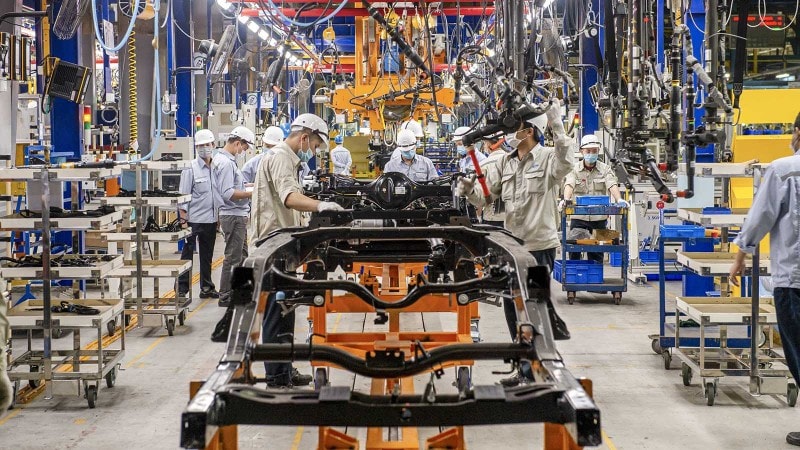
Yet despite high expectations, a critical reality persists: EU FDI into Vietnam accounts for only around 2–5% of the bloc’s total outward investment.
Both the scale and quality of EU investment in Vietnam remain suboptimal. Many projects are relatively small, while the share of high-tech and R&D-driven investments falls short of what could be expected given Europe’s comparative advantages.
Investment continues to concentrate in traditional sectors, whereas areas with stronger future potential—such as renewable energy, sustainable transport infrastructure, and advanced technologies—have yet to attract sufficient large-scale projects. This is partly due to limited absorptive capacity and a shortage of skilled talent.
According to Dr. Phan Thuy Thao of Thuy Loi University, EU FDI is also unevenly distributed across regions and sectors. Investment is heavily concentrated in major cities and key economic zones, with the Southeast region and the Red River Delta accounting for nearly 80% of total inflows. Other regions, such as the Central Highlands and Central Vietnam, receive only 5–10%, exacerbating regional development disparities.
Sectorally, despite Europe’s strengths in high technology and clean energy, investment in these areas remains limited. Traditional industries such as textiles and food processing continue to dominate, while sectors like biotechnology, artificial intelligence, and renewable energy have yet to attract significant large-scale projects.
For Vietnam, however, the twin transition is not only a global imperative but also a major opportunity to upgrade growth and enhance competitiveness.
Julien Guerrier, EU Ambassador to Vietnam, noted that the greatest opportunity lies in moving up the value chain—producing more efficiently, cleanly, and transparently, with stronger traceability and better compliance with international standards. This would enable Vietnamese firms to access EU markets while strengthening their global competitiveness.
However, Environmental, Social and Governance (ESG) standards are creating mounting pressure, requiring robust data systems on emissions, labor, and compliance. Importantly, the EU does not expect SMEs to become “perfect overnight.” What matters is a credible, step-by-step upgrade pathway in the right direction.
Rather than navigating this transition alone, Vietnamese firms can benefit from integrated support—combining financing, technology transfer, and practical training programmes, such as carbon footprint measurement and quality management.
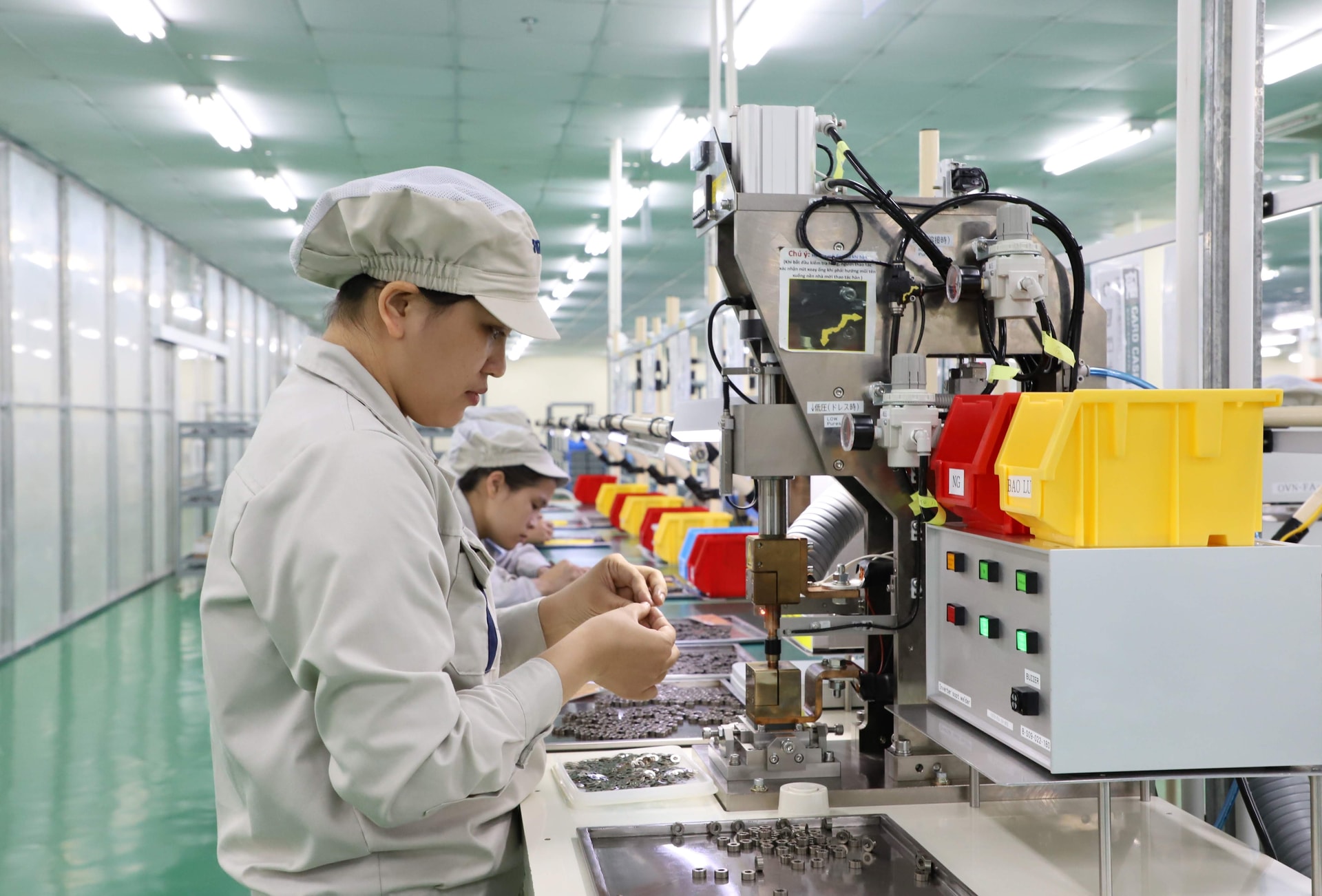
Under the EU’s Global Gateway strategy, improving the investment environment remains a key expectation for unlocking high-quality capital flows.
Under the EU’s Global Gateway strategy, improving the investment environment remains a key expectation for unlocking high-quality capital flows.
“Vietnam needs a stable, transparent, and consistently enforced legal framework, accompanied by streamlined administrative procedures, digitalization, and an effective one-stop-shop mechanism to reduce uncertainty for investors,” Ambassador Guerrier emphasized.
He also stressed that for shared ambitions to succeed, initiatives must be attractive to businesses and create opportunities that leverage the strengths of both sides for mutual benefit. As a trusted partner, the EU can deliver substantial value—provided the right conditions are in place.
Dr. Phan Thuy Thao argues that to not only attract more high-quality EU FDI but also enhance national competitiveness and achieve sustainable development goals in the new era, Vietnam must implement a coordinated set of solutions:
First, strengthen institutions and accelerate the implementation of the EVFTA, particularly by expediting the domestic incorporation of commitments on intellectual property protection, administrative transparency, and dispute resolution mechanisms.
Second, pursue targeted and sector-specific investment promotion strategies, focusing on priority EU markets and sectors where European strengths align with Vietnam’s development needs—such as renewable energy, biotechnology, digital transformation, and supporting industries.
Third, enhance competitiveness and improve the investment climate by advancing administrative reforms and digital transformation in investment management. Special attention should be given to developing clean energy infrastructure and industrial waste treatment systems to meet ESG requirements.
Fourth, develop high-quality human capital by reforming education and vocational training systems to better align with the needs of EU businesses.
Fifth, build a robust innovation ecosystem by developing high-tech and innovation zones that meet international standards, with preferential policies for R&D projects, while facilitating technology transfer and commercialization between EU and Vietnamese firms.
Author: THY HANG - TRUONG DANG
RELATED TOPICS
RECOMMENDED TOPICS