VN
VN
 EN
EN
21/07/2026, 02:38
Business economics
U.S. tariffs and the export challenges: Many key sectors still retain their edge
Experts say the United States’ new tariff policy is unlikely to create a major shock for Viet Nam’s exports, as high-tech electronics and textiles still have room to sustain growth.
The Office of the United States Trade Representative’s (USTR) proposal to apply a new tariff schedule to 60 countries and territories could have significant implications for global trade. The move reflects a fundamental shift in the United States’ approach to governing international supply chains.
The U.S. prioritizes strategic technology sectors
Under the current proposal, USTR announced a proposed 10% tariff rate for a group of economies including Canada, the EU, Mexico, Pakistan, Argentina, Bangladesh, Cambodia, Malaysia, Taiwan (China), and the UK. A 12.5% rate would apply to the remaining 45 countries, including Viet Nam and China. However, the U.S. will need to hold an additional hearing on 7 July 2026 before making a final decision on implementation.
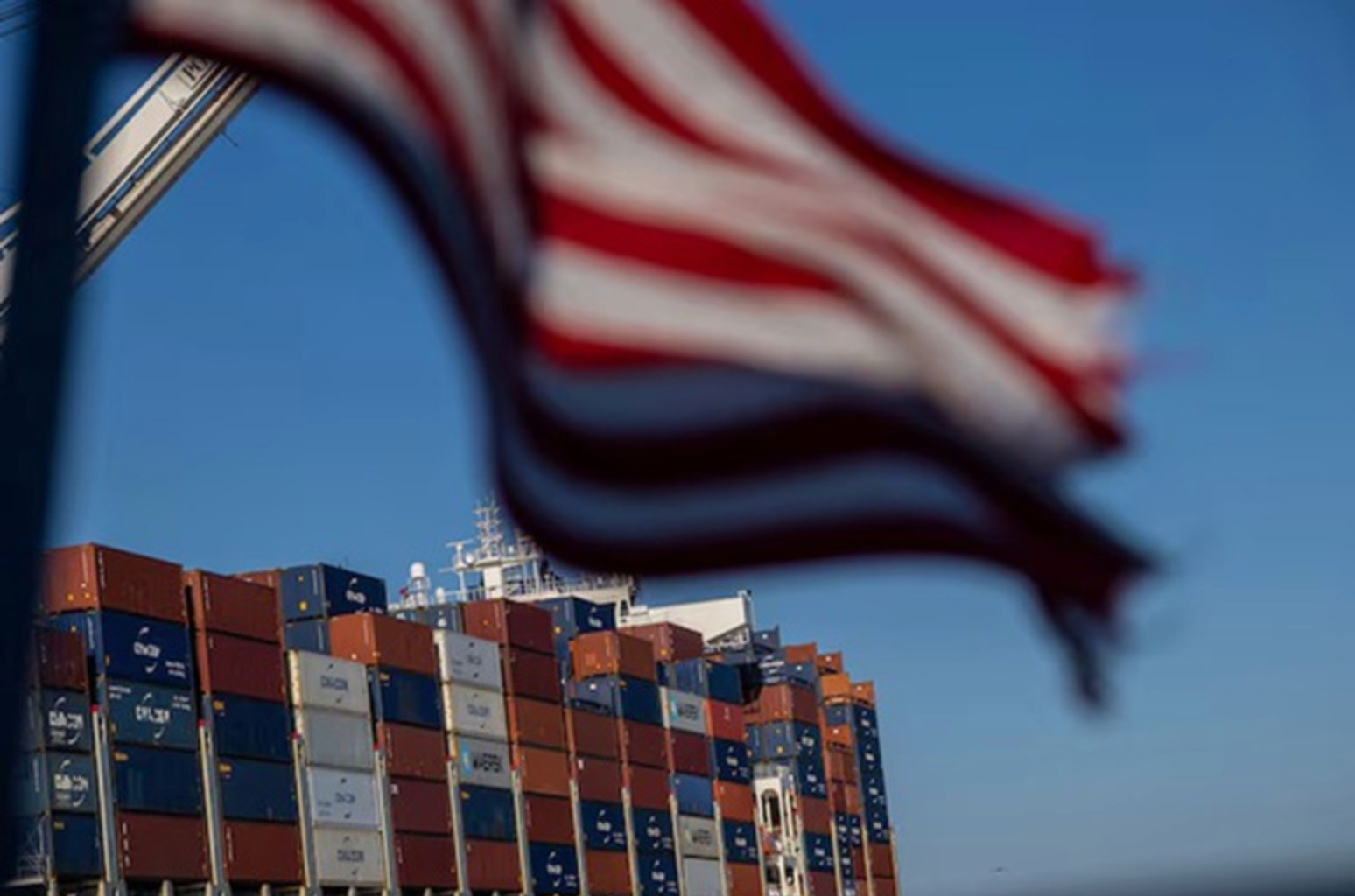
The U.S. proposal to apply a new tariff schedule to 60 countries and territories is expected to have significant implications for global trade.
Mr. Phan Le Thanh Long, a financial expert, said the shift in U.S. policy reflects a new trend in international trade, where cost is no longer the only criterion. Instead, standards on origin transparency, social responsibility and supply-chain sustainability are becoming mandatory conditions for market access.
However, within the broader picture, some notable exceptions remain. The United States continues to maintain priority mechanisms for certain sectors regarded as strategically important to economic and technological security.
Sectors such as semiconductors, high-tech electronic equipment, renewable energy and rare earths are considered critical links in global supply chains and may be eligible for separate exemption or preferential mechanisms. For the textile and garment sector, USTR has also indicated the possibility of applying a specialized management mechanism rather than relying entirely on the general tariff rate.
These exceptions reflect the United States’ strategy of “selective decoupling.” The goal is not to sever trade relations entirely, but to restructure supply chains in a way that reduces dependence on sources considered high-risk, while maintaining stability for key sectors serving national interests.
KBSV Securities assessed that the United States’ new tariff policy would not have a major impact on Viet Nam’s export outlook or foreign direct investment (FDI) inflows.
The reason is that many of Viet Nam’s key export items to the U.S. are not subject to the proposed new tariffs. These are mainly electronic products, high-tech goods and electronic components under HS codes such as 8517, 8541, 8471 and 8473. These products currently account for a large share of Viet Nam’s export turnover to the U.S. market.
In addition, the tariff rate expected to apply to Viet Nam does not create a significant disadvantage compared with regional competitors. The proposed 12.5% rate is even considerably lower than the 19% rate previously applied under the IEEPA Act.
For the textile and garment sector, KBSV said Viet Nam has a certain advantage thanks to its close trade relationship with the U.S. cotton industry. In the 2024-2025 crop year, Viet Nam was the world’s largest importer of U.S. cotton, accounting for around 45-50% of total cotton imports by the domestic textile and garment industry.
This could provide a basis for Viet Nam to be considered for import quotas with more preferential tariff rates if the new tariff mechanism is officially adopted. Companies with a high proportion of U.S. cotton inputs, such as Thanh Cong Textile Garment Investment Trading JSC (TCM), Damsan JSC (ADS) and Viet Nam National Textile and Garment Group (VGT), are seen as among those that could benefit more from this policy.
Businesses need to respond proactively
In the current context, experts recommend that export businesses soon develop multi-tier origin traceability systems that go beyond direct supplier controls. Collecting certificates of origin and audit reports from second- and third-tier suppliers, as well as using digital technology to monitor material flows, is becoming increasingly important.
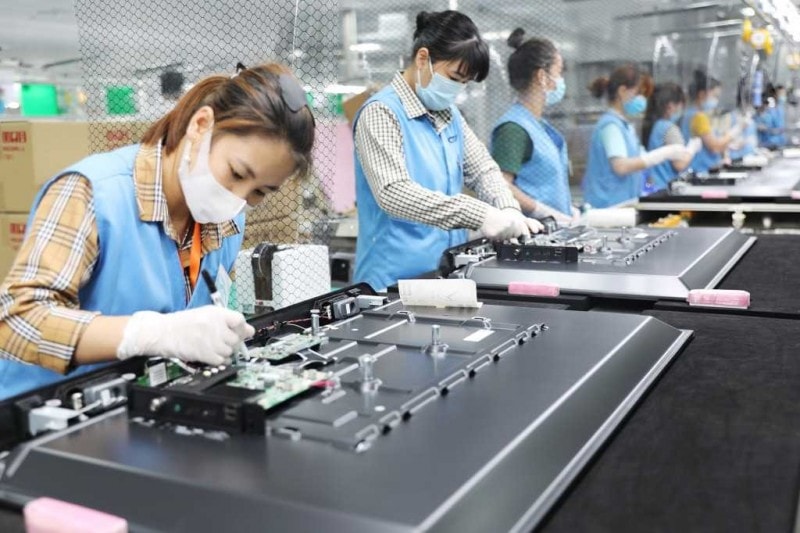
Businesses are advised not to wait until tariff measures are officially imposed before taking response measures. Illustrative photo
Mr. Phan Le Thanh Long said businesses need to conduct a comprehensive review of their supplier lists and proactively remove partners located in high-risk areas or subject to warnings from U.S. authorities. Diversifying raw material sources from markets assessed as lower-risk is also a measure that should be implemented early to minimize negative impacts.
Another important task is to develop internal codes of conduct and labour governance systems compatible with international standards. This is not only a requirement for meeting U.S. market standards, but also a foundation for improving long-term competitiveness as ESG and sustainable development standards gain increasing importance globally.
The USTR’s new tariff proposal is therefore no longer merely a matter of raising import duties. It is a signal that a deep restructuring of the international trading system is underway, in which transparency, traceability and social responsibility are becoming core criteria.
According to USTR’s notice, organizations and businesses wishing to participate in the hearing must register and submit a summary of their intended testimony by 22 June 2026. The deadline for written comments is 6 July 2026, while the public hearing is scheduled for 7 July 2026.
Author: DIEM NGOC - TRUONG DANG
RELATED TOPICS
RECOMMENDED TOPICS