VN
VN
 EN
EN
16/07/2026, 02:38
Investment
What's the best currency pair to judge the US dollar outlook?
The best guide to current sentiment surrounding the US dollar and the best clues to its future direction line in US dollar/renminbi.
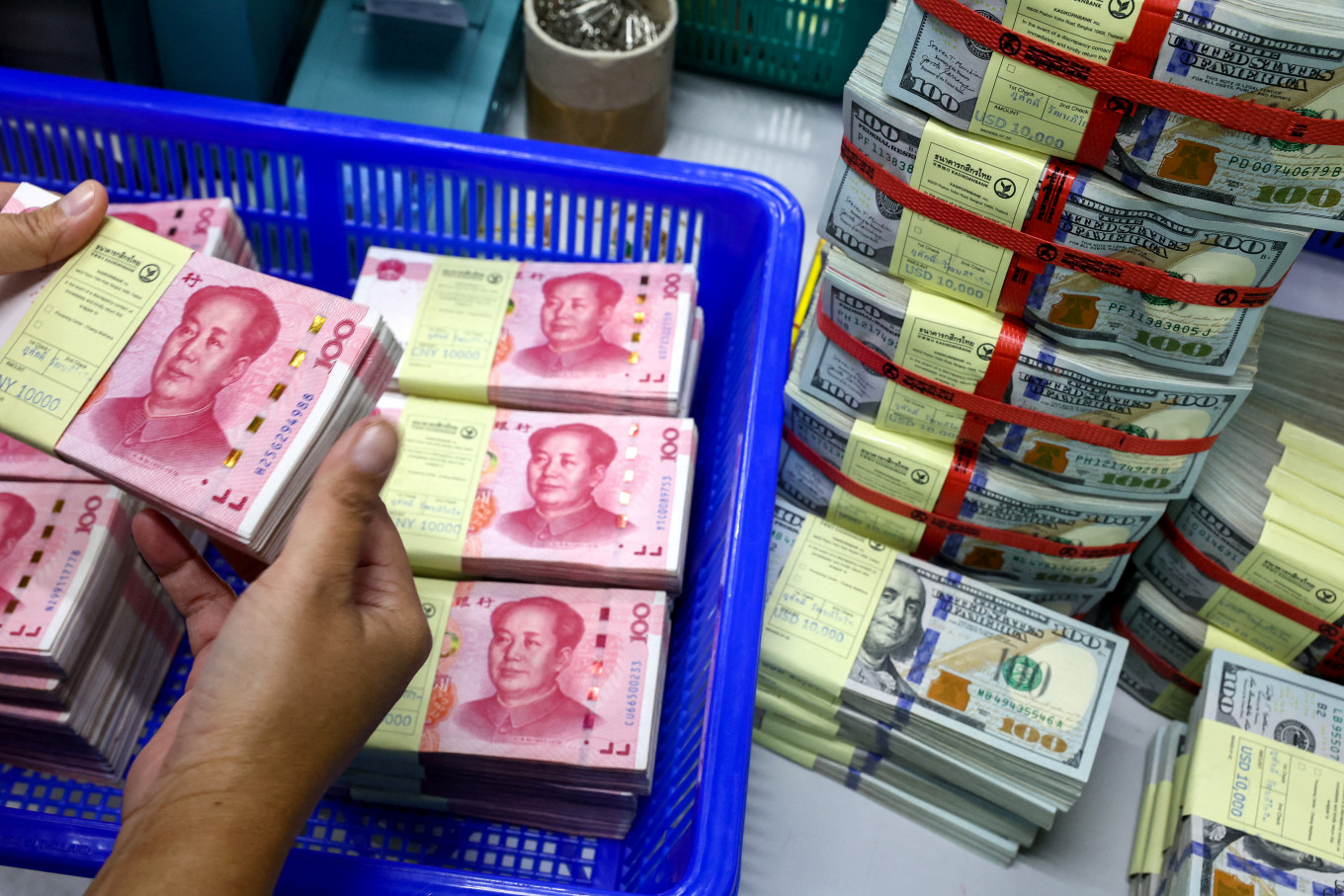
The daily turnover in the renminbi across currencies is only a tenth of the turnover of the US dollar according to the latest (2025) BIS data on global FX turnover.
What's the best currency pair to use when trying to judge underlying sentiment and the future direction of the dollar? Is it euro/dollar, which is, after all, the most heavily traded currency pair? Or is dollar/yen better given that Japanese intervention seems to be suppressing dollar strength? Steven Barrow, head strategist of the Standard Bank, thinks it is neither.
This might seem an odd thing to say. After all, daily turnover in the renminbi across currencies is only a tenth of the turnover of the dollar according to the latest (2025) BIS data on global FX turnover. However, Steven Barrow thinks there are good reasons why the renminbi is key.
The first point to note is that the renminbi has risen by around 3% against the US dollar this year while other major currencies, as reflected in the DXY index, have risen by a much smaller 1%. If we go back to the last US presidential election, which Steven Barrow thinks is key in this story, the renminbi is up 5% against the US dollar while major G10 currencies are just about at the same level against the US dollar as they were last November. But it is not just the relative rise of the renminbi that is important. What is significant is that it has appreciated notably against the dollar despite a number of headwinds. High up on this list is the singling out of China for harsh tariff treatment from the US.
A second point is the relative terms of trade hit China has taken from the conflict in Iran and its consequent effect on oil prices.
A third factor is that the renminbi has appreciated in spite of a very large divergence in bond yields between the US and China. Since the Middle East conflict started the 10-year yield advantage for the US has risen by more than 60 bps. That's the sort of rise that would have lifted the dollar in the past, but not this time. So, what does this renminbi strength suggest? Merely that the Chinese currency is strong against most currencies and hence not necessarily reflective of dollar vulnerability? Or simply that the Chinese authorities have cut the renminbi a bit more slack to appreciate than they might have done in the past?
While these two things are undoubtedly part of the story, Steven Barrow thinks there is more to it. He feels that the renminbi's rise, in spite of the headwinds, reflects a diminution in the status of the US dollar. For while the renminbi might not be anywhere close to the US dollar in terms of its size in FX trading, currency invoicing, international lending and more, it is arguably the foremost challenger to the US dollar's status; something that will become abundantly clear in time.
The US knows this, but factors that might have been expected to undercut the renminbi, such as tariffs, the surge in energy prices, the rise in US yields, and even direct threats, such as those made by Trump with respect to the consequences of a China-led BRICS currency, have failed to turn the tide for the US dollar/renminbi. Of course, China has made its own efforts to push back in terms of the fast development of a central bank digital currency (CBDC), the expansion of PBoC swap lines with more countries, and bilateral deals to conduct trade in local currencies and not the dollar. This is not to say that there are still huge, largely self-imposed hurdles to the renminbi's wider acceptance; the main one clearly being capital controls.
“Whether these are lifted in time or not, we still believe that the renminbi's rise is evidence that the dollar's status is on the wane, with much of this down to the policies of the current administration. But if that's the case, why isn't the US dollar even weaker against other currencies and perhaps especially those that could also challenge the US dollar's dominance, like the euro? We suspect it might just be that the conflict in Iran is restricting activity in more heavily traded currencies, such as the euro. Once these war-related shackles are off, the US dollar's weakness against the renminbi should broaden out to other currencies," said Steven Barrow.
Author: NGOC ANH
RECOMMENDED TOPICS