VN
VN
 EN
EN
Hanoi’s tech firms are calling for clearer demand mechanisms and transparent evaluation as the city pilots its Technology Exchange and Digital Transformation Market to...

It was just over a year ago that newly-election President Trump started to put some numbers on the sort of tariffs he was going to implement. The world was in shock and...

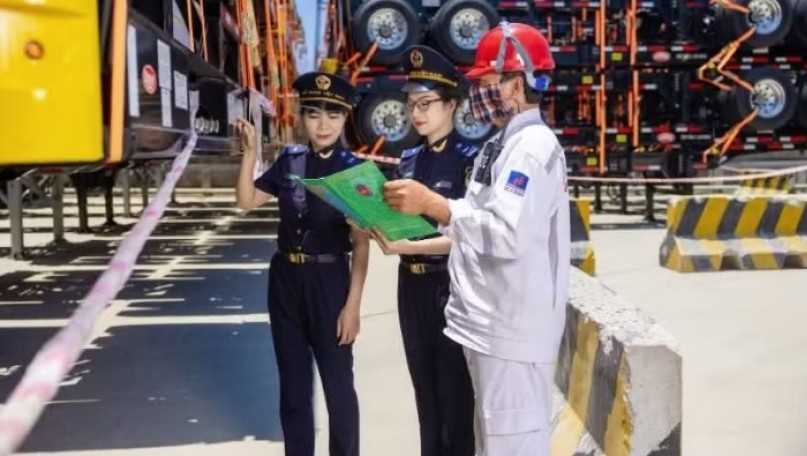
In today's life, physical security plays an increasingly important role. A physical security system integrated with multi-system data and artificial intelligence (AI)...

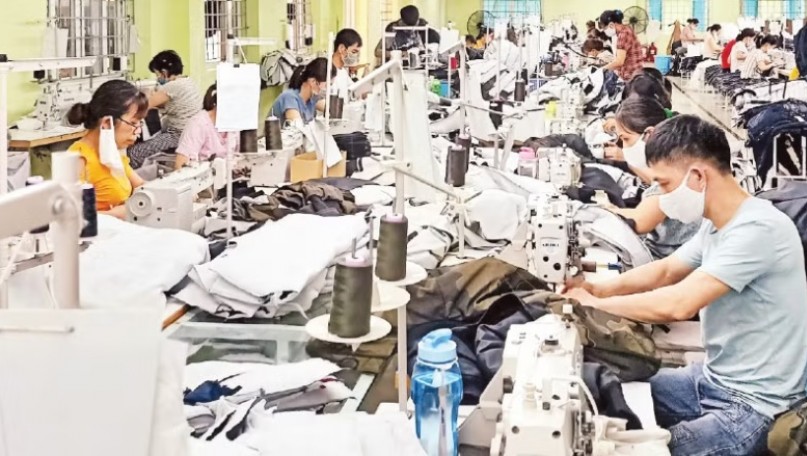
Science, technology and innovation are key drivers of the development of science and technology enterprises. However, shortcomings in mechanisms, policies and...

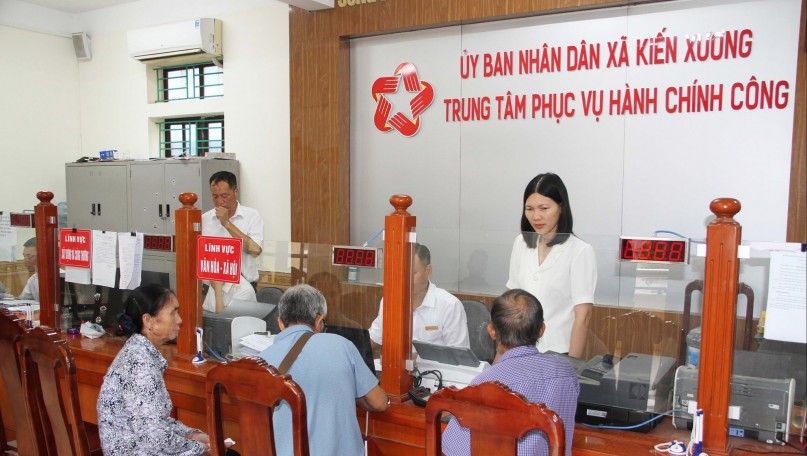
Policy success must be judged not by slogans or reports but by tangible changes felt by residents and businesses.

General Secretary of the Communist Party of Viet Nam (CPV) Central Committee To Lam will lead a high-ranking delegation of Viet Nam to pay a state visit to Cambodia on...

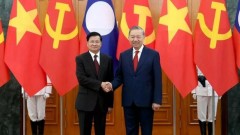
To Lam, General Secretary of the Central Committee of the Communist Party of Viet Nam, will lead a high-level Vietnamese delegation on a state visit to Laos on February...
February 3, 1930 marked a historic milestone, a great turning point in the revolutionary struggle of our people, opening a new era – the glorious and radiant Ho Chi Minh...

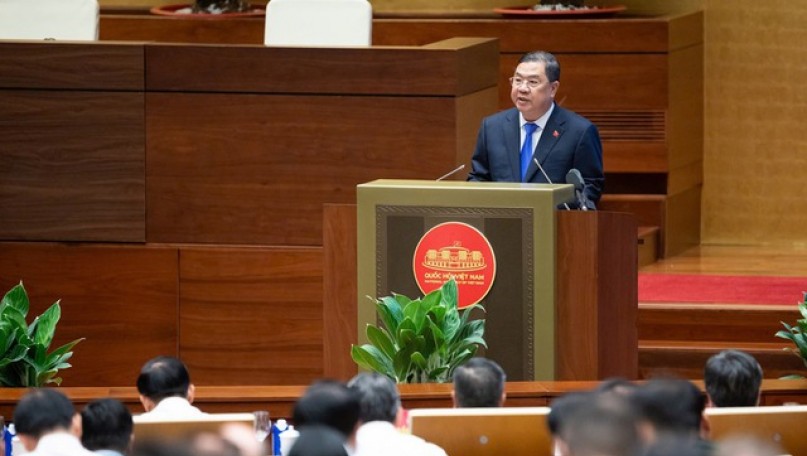
On 10 December 2025, the National Assembly passed Law on Tax Administration No. 108/2025/QH15 (“Law No. 108”), which will take effect from 1 July 2026. This new law...

Hanoi’s newly adopted talent attraction resolution marks a strategic turn from traditional personnel policy toward a governance model centered on trust, accountability...

The draft amendments to the Law on Oil and Gas focus on five major policy groups, aiming to improve the efficiency of resource exploitation in association with...

Enhancing leadership capacity and Party membership quality, while focusing on the practicality and effectiveness of grassroots Party organisations, is always a priority...