VN
VN
 EN
EN
16/07/2026, 02:38
Investment
Why are foreign investors selling oil and shipping stocks?
In the first week of March 2026, oil and shipping stocks on Vietnam’s market initially remained in positive territory. However, heavy selling pressure from foreign investors pushed many of these shares close to their daily floor limits.
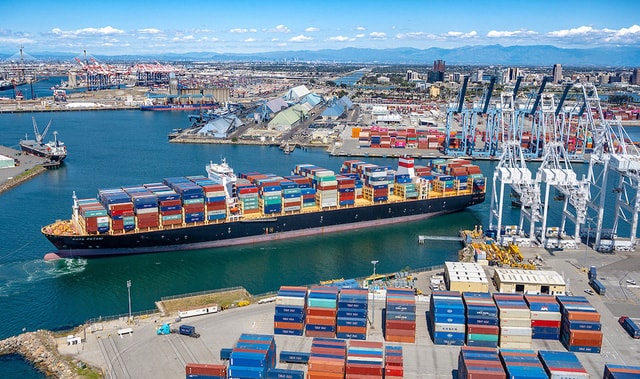
These sectors had benefited from higher global oil prices driven by tensions in the Middle East. Yet financial experts warn that the rally may be losing momentum and a reversal could be emerging.
In the March 5 trading session, several major oil stocks hit their floor prices as foreign investors accelerated selling. Shares of GAS fell to the floor at VND119,000 per share, with foreign investors net selling about 1.2 million shares. PLX also dropped to its floor price of VND64,700 per share, with foreign funds offloading more than one million shares.
Other oil and gas stocks also came under pressure. BSR saw foreign investors sell around 3.4 million shares, while PVD traded in the red with foreign net sales of about 3.3 million shares. Most stocks in the oil, fertilizer, and shipping sectors were pushed below their reference prices amid strong selling pressure.
This raises the question: why are foreign investors selling these stocks so aggressively? And what is happening to a sector that has recently been considered one of the market’s hottest?
Oil Rally Fuels a Rapid Surge
The broader backdrop for the oil sector is the ongoing conflict in the Middle East. Disruptions to oil shipments through the Strait of Hormuz have driven up transportation costs and oil prices while raising concerns about potential supply disruptions.
This situation has helped push oil and fertilizer-related stocks sharply higher on Vietnam’s stock market.
In fact, many oil-related shares surged dramatically in a short period. In just nine trading sessions after the Lunar New Year holiday, several stocks climbed between 60% and 70%, with some nearly doubling.
PVC, for example, rose about 60%, from around VND13,000 to VND21,500 per share. PVS gained more than 20%, rising from VND42,000 to nearly VND49,000 per share. PVD advanced more than 30% over the same period, reaching above VND43,000 per share.
Meanwhile, GAS increased roughly 20% to VND128,000 per share. OIL climbed to VND25,000 before reversing and falling to VND21,900 in the March 6 session.
According to stockbrokers, the sharp rise in oil stocks is largely driven by geopolitical tensions pushing oil prices higher, rather than a clear improvement in corporate earnings.
Higher oil prices typically translate into rising transportation and energy costs. While companies in the sector may benefit from improved margins in the short term, their financial results do not necessarily increase proportionally with oil price movements.
In the longer term, higher input costs could even pressure profitability if companies are forced to absorb rising operating expenses.
For this reason, analysts caution investors against chasing stocks that have risen too far beyond their intrinsic value.
“In this situation, investors should control their emotions and avoid buying at elevated prices driven by market excitement,” brokers say.
Speculation and Profit-taking
Analysts at MB Securities (MBS) say that whenever markets fear disruptions to supply from major oil exporters, crude prices tend to rise rapidly. This often triggers speculative flows into oil stocks, pushing share prices higher at a pace that outstrips actual earnings growth.
In Vietnam, upstream and midstream oil companies typically benefit directly from higher oil prices through improved margins and a stronger service backlog. However, these advantages have already been largely priced into the recent rally.
As a result, the sector may now be facing a phase of profit-taking after a period of “overheating.”
Beyond oil prices, investors have also been watching potential state divestment plans involving companies under the Vietnam National Oil and Gas Group (PVN).
PVN leadership recently said that authorities are working to finalize the timeline and coordinate with ministries and agencies to determine the implementation plan.
The divestment process will be carried out in coordination with 19 state-owned groups and corporations.
According to PVN representatives, the target is to reduce the state ownership ratio in GAS to around 65%. In PVS, the stake could fall below 40% or 50%, while BSR could see divestment scenarios ranging from 60% to 51%, 46% or even 43%.
Officials say 2026 will focus on finalizing procedures, aligning policy frameworks and determining divestment ratios before the Ministry of Finance submits the plan to the government.
From 2027, state-owned enterprises are expected to begin restructuring operations, reorganizing management and divesting non-core subsidiaries. The actual sale of state stakes and equitization processes are expected to begin around 2028.
The divestment process could generate billions of dollars for PVN, providing capital for major projects such as the Block B gas project and the Blue Whale (Ca Voi Xanh) project in the coming years.
While the oil sector has been one of the market’s most dynamic segments in recent weeks, analysts say the sharp rally also carries risks.
Until clearer signals emerge on oil prices and corporate fundamentals, investors should remain cautious and avoid chasing stocks that have surged too rapidly.
According to MBS experts, the oil and shipping sectors may continue to experience strong volatility in the near term as geopolitical developments and profit-taking flows shape market sentiment.
Author: HA PHUONG - TRUONG DANG
RELATED TOPICS
RECOMMENDED TOPICS