VN
VN
 EN
EN
26/07/2026, 02:38
Business economics
The ECB is expected to hike policy rates by 25-bps
The ECB is expected to hike policy rates by 25-bps at today's meeting. That clearly won't be a first. But what might be seen as a first is the ECB's clear use of alternative scenarios to guide market expectations towards the prospect of higher rates.
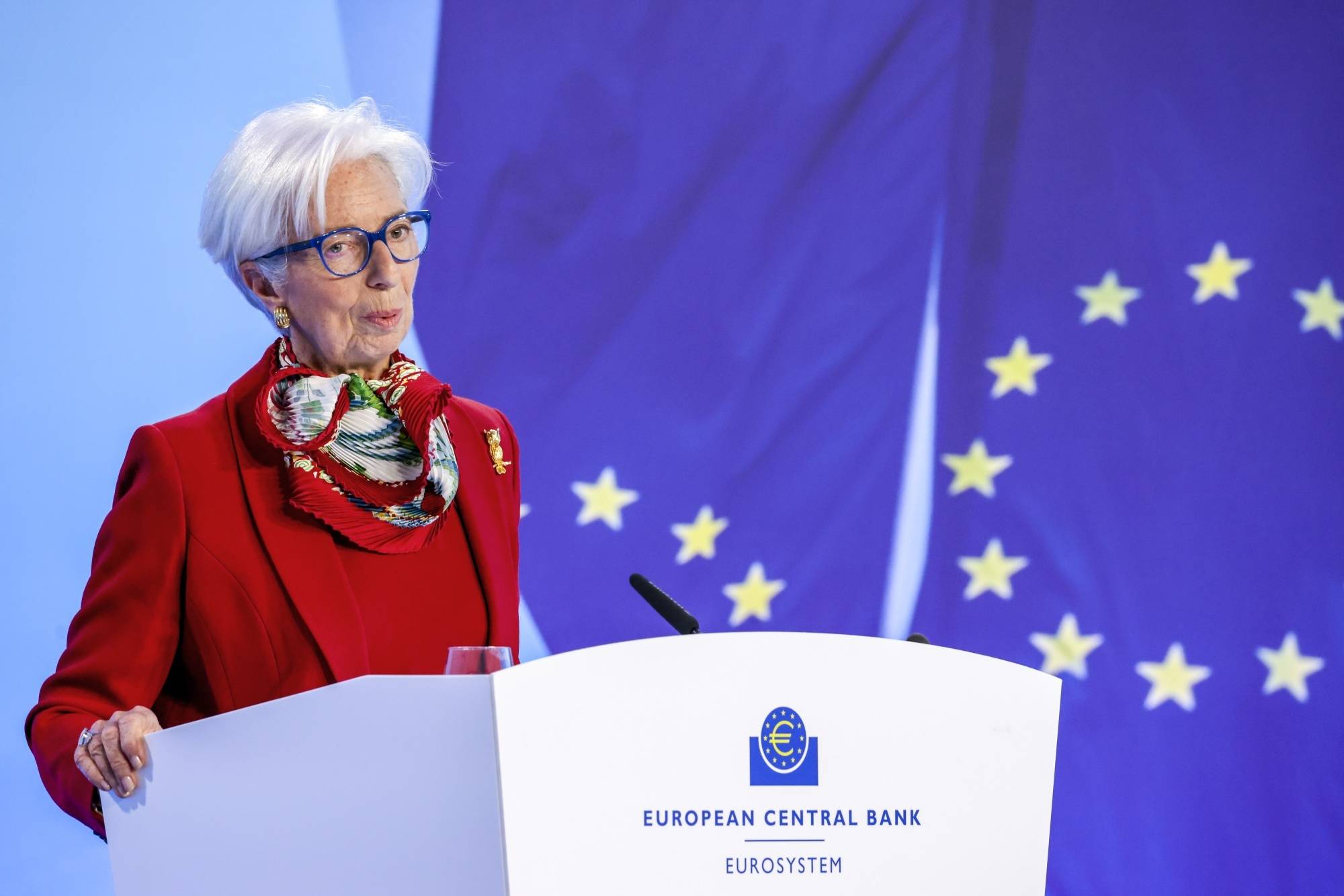
The ECB is expected to hike policy rates by 25-bps at Today's meeting. Photo: Ms. Christine Lagarde, ECB President.
There is a good deal of soul searching going on amongst central banks as they, not only try to determine the best path for policy, but also how to communicate this to financial markets and the wider public. Incoming Fed Chair Warsh is known to dislike certain aspects of the Fed's communication strategy, such as the so-called DOTS plot of future rates by FOMC members, as well as the ‘excessive' verbal guidance given ahead of impending rate changes. Forecast less and talk less would seem to be the solutions to Warsh's concerns, but we will wait to see what he has to say on the subject at next week's FOMC meeting.
For this week, the ECB is the focus and, it has made some notable changes to its strategy and communications. This has been in the form of laying out a baseline scenario and two alternative scenarios. The approach was adopted in March when the start of the war in Iran muddled central bank thinking.
Although the scenarios did not set out explicitly the ECB's likely reaction function in the event that the base case was no longer deemed to apply, it has been pretty clear from ECB comments that a move to the alternative scenario, or worse still the severe scenario, would imply tighter policy. The ECB's alternative scenario envisaged oil prices peaking at USD119bn in Q2 and then drifting back over time in line with the base case. The Bank envisaged that such a scenario would leave inflation this year at 3.5% and not the 2.6% previously predicted, with 2027 at 2.1% and not 2%. Although the adverse scenario also envisages a 0.3 percentage point fall in 2026 growth relative to the baseline, the ECB has always appeared to argue that a move to the alternative scenario would be justification to lift rates. Since then, it has become clear that the alternative scenario is nearer to the ECB's current thinking about the situation and hence the market is fully discounting a 25-bps rate hike today.
The problem, of course, is that the ECB has spelt out the alternative scenario but not its full reaction function. Will a 25-bps hike in rates be sufficient to counter the inflation risks arising from the alternative scenario, or will more have to be done? The market sees at least one further hike, although we doubt that ECB President Lagarde will confirm such thinking in her press conference today.
Another issue is whether the new forecasts will essentially replace the March base case with a version of the prior alternative scenario, and then set up two new scenarios which, themselves, would need to be triggered before hiking again. In short, the ECB has some explaining to do now that it has chosen to go down this path of setting out scenarios. But the ECB is not alone in using scenarios.
A recent BIS study shows that around 40% of the central banks by its calculations use scenarios to communicate the uncertainty around its policy, up from just over 20% back in 2006. The Bank of England is one that has become more explicit in the use of scenarios following a review of the Bank's conduct of policy by former Fed Chair Bernanke in 2024.
“We suspect that others will follow. The question for the market is whether effective central bank communication is improved by the use of scenarios. One obvious drawback is that it is easy to construct alternative scenarios in the wake of a big shock, like the war in Iran, but what happens in more ‘normal' environments? Is the scenario analysis ditched until it might be needed again? We certainly think this would be better than trying to cling onto the alternative scenario approach at every meeting or forecast round. Only time will tell on this one”, said Steven Barrow, Head strategist of the Standard Bank.
Author: NGOC ANH
RECOMMENDED TOPICS