VN
VN
 EN
EN
12/07/2026, 02:38
Investment
The US dollar could stay on the defensive
A likely FED rate cut this week might be seen as a catalyst for the US dollar weakness but rate cuts themselves are probably not the driver here.
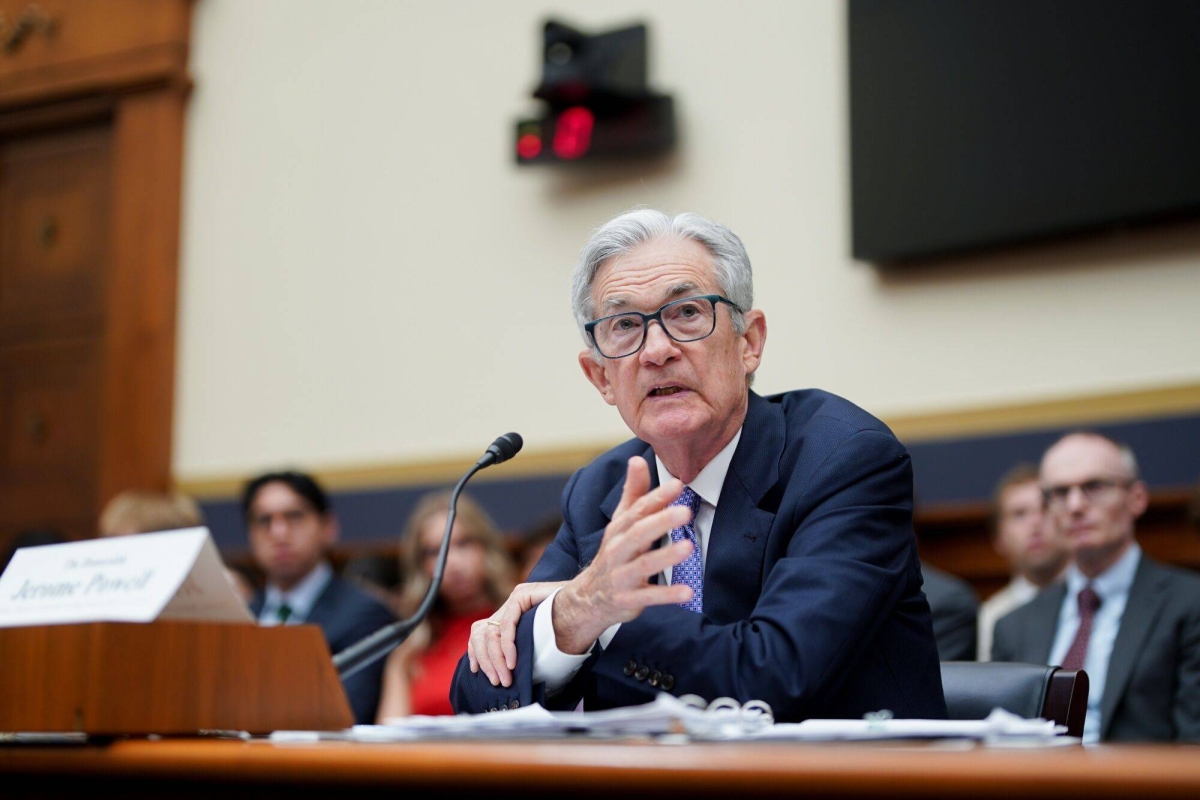
This week will undoubtedly be dominated by the FED’s widely-expected rate cut on Wednesday.
This week will undoubtedly be dominated by the FED’s widely expected rate cut on Wednesday. But while this may take all the column inches when it comes to the outlook for the US dollar, many analysts rather feel that the issue of interest rate differentials with other countries is not a key driver of the US dollar right now. Don’t forget, the Fed has so far refused to cut rates this year while most other central banks have eased, and yet the US dollar has fallen.
The key issue relating to the Fed is not the level of policy rates but, instead, the threats to the bank’s independence from the Trump Administration. On this score, White House economic advisor Stephen Miran should have his nomination to the Fed confirmed by the Senate. If that happens, he will essentially remain in his White House role, as his appointment to the Fed will just be a leave of absence. That’s extremely unusual, as is President Trump’s attempt to fire sitting Fed Governor Lisa Cook. The federal appeals court should rule on whether she can stay on the Board, at least for now, but a positive result for Cook, which we expect, could be met by an expedited appeal to the Supreme Court by the Administration to try to force through her sacking before the FOMC meeting starts.
Whatever the result of this process we can expect the president to rail against the Fed once more if this week’s rate cut is just 25-bps, as the market expects. Steven Barrow, Head of Standard Bank G10 Strategy said it would be this attempt to undermine the Fed’s independence that is important for the US dollar, not whether the Fed cuts 25-bps or more. Hence, even if the FX market initially regards the outcome of the FOMC meeting as hawkish, and hence bullish for the US dollar, we would expect any rise in the greenback to be short-lived.
There is also a second sense in which the size of any Fed rate cut this week is largely irrelevant to the US dollar’s longer-term outlook. This relates to the fact that we regard fiscal developments as being more significant than monetary policy changes. Here too the fiscal divide between the US and the eurozone seems to imply a stronger euro.
For while global investors seem likely to be unnerved by the worrying fiscal trajectory of the US government, following Trump’s one big, beautiful bill earlier this year, the eurozone is in a better situation as it uses its fiscal space, particularly in Germany, to bolster the economy. Of course, there is a caveat here, which is France. Its political difficulty in passing a budget that can rein in the ballooning budget deficit is undoubtedly a source of concern, made even greater now by rating agency Fitch’s decision on Friday to lower the country’s sovereign rating to A from AA-. But as we have pointed out countless times before, the structure of EMU means that fiscal tensions tend to stay in the bond market rather than leak out to the currency. This is not just because France is only one country amongst twenty euro zone countries, but also because governments in the euro zone issue debt but don’t issue currency. The latter is done by the ECB.
As a result, concerns about fiscal dominance, which seem to be rising all the time in the US, are largely absent in the eurozone. Admittedly, that can put the bond market at even greater risk, as we saw with Greece and others during the 2010-12 debt crisis, but the euro is safeguarded to some extent. The upshot is that we do not see the difficult situation for the French government undermining the euro’s ability to rise towards 1.25 against the US dollar before the end of the year.
“While we expect the euro to make gains against the US dollar the biggest appreciation may be saved for the more minor G10 currencies, such as the Australian dollar as well as emerging market currencies. For if factors such as central bank independence, excessive debts and fiscal dominance prove to be the focus of investors there is a lot to be said for avoiding major currencies like the dollar, euro, pound and yen, and looking elsewhere. For some, this ‘elsewhere’ will continue to include non-fiat currencies like crypto, as well as gold”, said Steven Barrow.
Author: NGOC ANH
RECOMMENDED TOPICS