VN
VN
 EN
EN
02/07/2026, 02:38
Investment
Turning point for transparency in the real estate market
From July 1, the Ministry of Construction will officially operate the national housing and real estate system. Accordingly, each property will be assigned a unique identification code to increase transparency, as well as curb speculation and price manipulation.
Ms. Hoang Thu Hang - Deputy Director General of the Housing and Real Estate Market Management Bureau (Ministry of Construction) stated that the real estate market is entering a transition phase. It is shifting from a growth model driven by speculation to one developing based on real housing demand, where asset exploitation and operational efficiency are prioritized.

The electronic identification system is expected to create a transparent foundation for the entire real estate market.
Every Property Will Have Its "Own Name"
According to Ms. Hoang Thu Hang, the Ministry of Construction will continue to refine mechanisms and policies to restructure the supply side. Priority will be given to the simultaneous development of commercial housing, social housing, and rental housing to meet the actual needs of citizens.
One of the crucial steps is putting the Information System on Housing and the Real Estate Market into operation starting July 1. The novelty of this system is that each real estate property will be granted a unique electronic identification code. This allows for seamless management throughout the asset's entire life cycle—from project formulation and legal profiling to any subsequent transactions.
Ms. Hoang Thu Hang explained that the ID code is viewed as the "own name" of each property, permanently attached throughout its formation, utilization, and transfer. Through this, management authorities can fully track the legal information of each asset.
Once the system becomes operational, citizens, businesses, and developers will have an additional official data channel to look up housing and market information. Updated data ranging from legal status and transaction history to price levels will provide parties with a stronger basis for making investment or buying decisions, while contributing to enhanced transparency and curbing speculation and price rigging.
Previously, the Government issued Decree No. 357/2025/ND-CP regarding the development and management of the information system and database on housing and the real estate market, which took effect on March 1, 2026. According to the regulation, the system is built centrally and uniformly from the central to local levels to ensure synchronization, transparency, and to improve the efficiency of state management.
Under the decree, the electronic ID code for each real estate product is an alphanumeric string with a maximum length of 40 characters. This code is issued individually for each apartment, standalone house, or construction floor area within a project.
For housing, the ID code is formed from groups of information such as the land parcel ID, project or construction code, location ID (if applicable), along with a natural sequence of characters. The system will automatically generate the code, while local Departments of Construction will assign the ID codes to houses within a housing development project as soon as they issue a notice confirming eligibility for sale for future-formed housing.
Transparent Data, Narrowing the Room for Speculation
According to statistics from VARS, about 75% of residential transactions in 2025 came from the buyer segment purchasing their second property or more, with approximately 10% utilizing short-term financial leverage. This figure reflects the significant role of "flipped" investors following short-term strategies in the market.
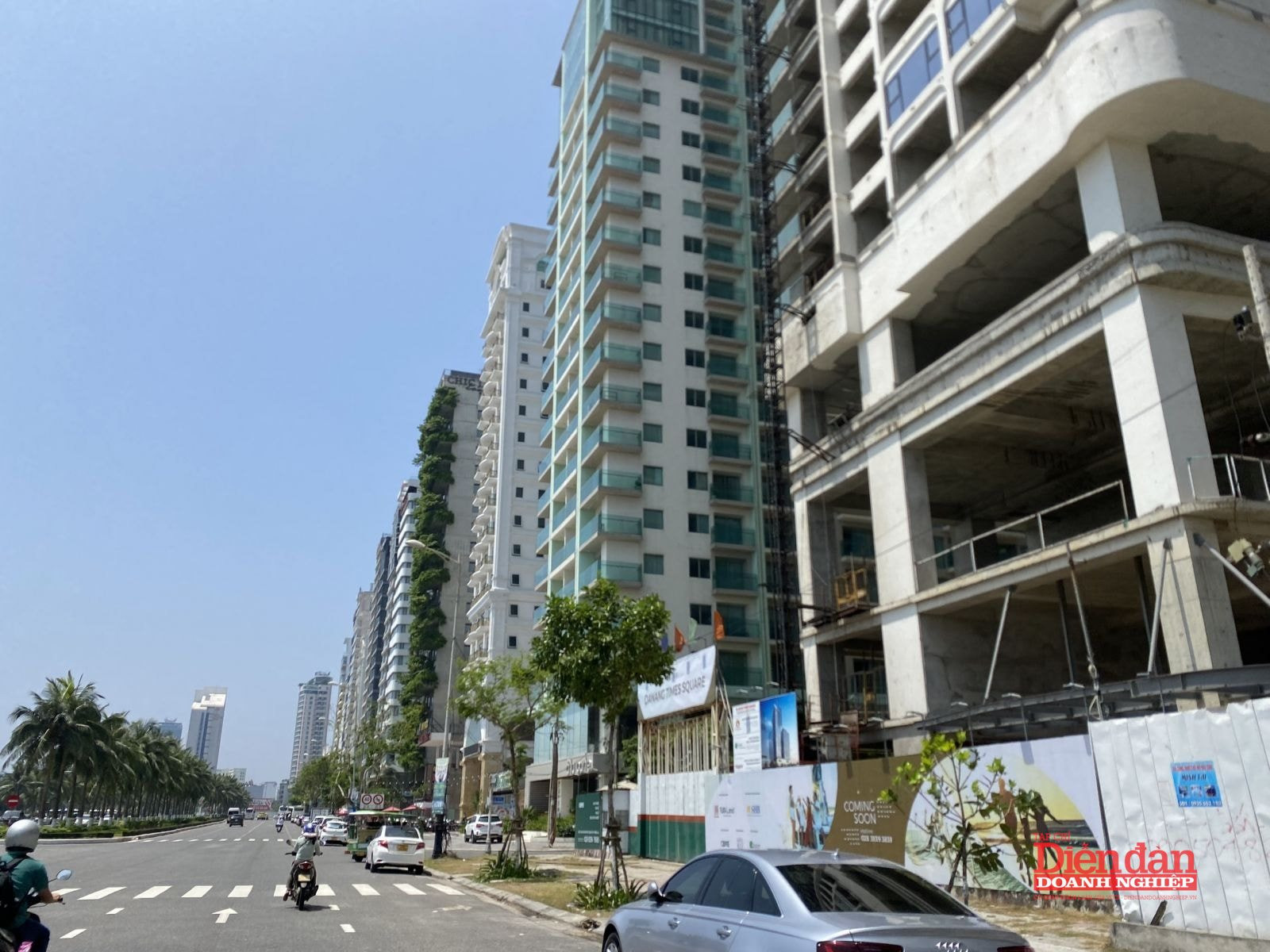
Data transparency will increasingly narrow down speculative and short-term flipping activities driven by unverified information. Photo: DH
However, when every property has its own ID code and the entire transaction history is stored on the national system, the advantage stemming from information asymmetry will decrease significantly. Buyers can proactively look up the legal status, zoning, and transfer history of the asset instead of relying entirely on information from intermediary channels.
Ms. Duong Thuy Dung - Executive Director of CBRE Vietnam, assessed that property identification will create an important foundation for both state management and market operation. When data is standardized and interconnected, regulatory bodies can monitor supply-demand dynamics and prices in real-time to make more practical decisions.
According to Ms. Dung, information transparency not only reduces risks for buyers but also helps restore market order, limiting price hikes based on rumors or unverified information.
The most distinct impact is projected to be the narrowing room for short-term speculation. When all legal information and transaction history are made public, "buy fast, sell fast" strategies based on price growth expectations will face higher risks.
In particular, the group of investors using high financial leverage will be forced to calculate their holding periods and expected profit margins more carefully. In a context of increasingly transparent data, the ability to create price waves using unverified information will drop significantly.
Recording all transactions on the system also helps curb the practice of declaring transfer prices lower than reality. The market, which has coexisted with two price tiers for many years—the actual transaction price and the declared price—will gradually move closer to true value, while creating a foundation for perfecting tax policies in the future.
Experts believe that in the short term, liquidity in some areas that previously experienced overheating might slow down due to psychological impacts. However, this is seen as a necessary adjustment for the market to operate based on real value instead of speculative expectations.
According to VARS, when data is made transparent, investors will have to shift from a "riding the wave" mindset to a "value buying" mindset. Investment decisions will rely more heavily on the asset's exploitation capability, rental cash flow, approved infrastructure potential, and the real demand of the market.
In the long run, the centralized database system will become a crucial tool in policymaking. When management authorities fully grasp inventory volumes, supply structures by segment and locality, market regulation will be more closely aligned with reality, contributing to reducing supply-demand mismatches.
For real-end buyers, information transparency not only reduces risks during transactions but also shortens document processing times and updates ownership on digital platforms, thereby limiting disputes and improving asset management efficiency.
Author: DIEU HOA - TRUONG DANG
RELATED TOPICS
RECOMMENDED TOPICS